Compare Local Contractors for Basement Drainage Solutions
Compare local contractors for basement drainage to define project scope, verify experience, and set clear expectations for successful property protection.
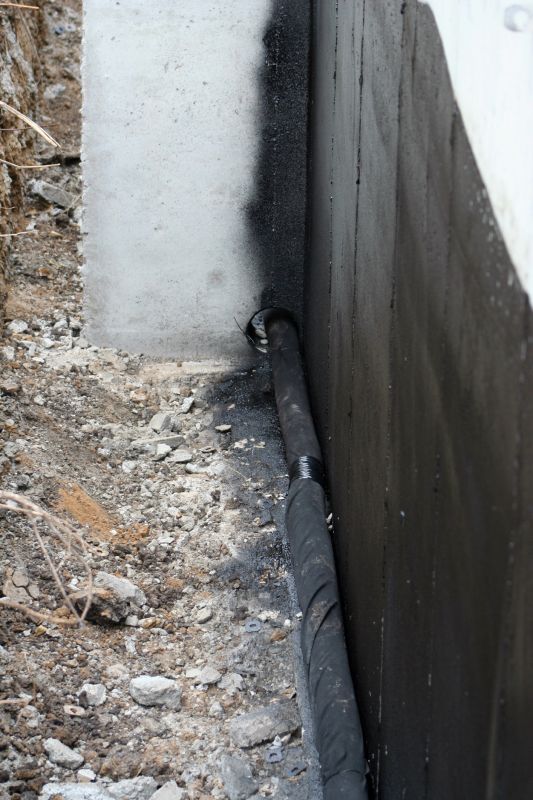
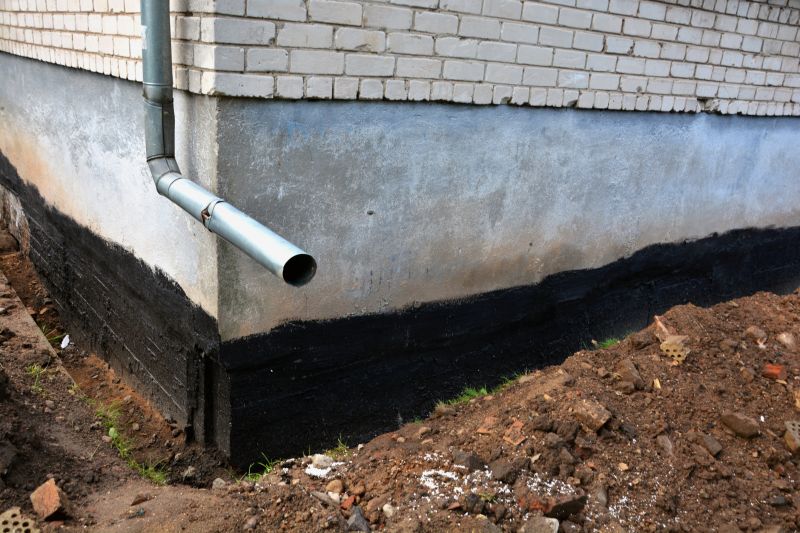
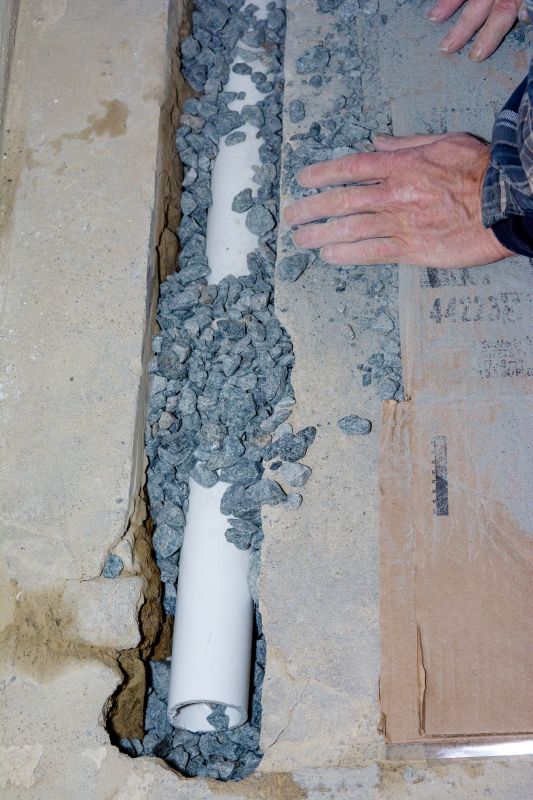
Basement drainage services typically cover a range of solutions aimed at managing excess water and preventing moisture buildup in the foundation area. This can include installing or upgrading drainage systems such as interior or exterior drain tiles, sump pumps, and waterproof barriers. The goal is to divert water away from the basement to reduce the risk of flooding, mold growth, and structural damage. Property owners should consider the specific issues they face, such as poor grading, clogged gutters, or existing leaks, to determine the most appropriate drainage approach. Clear communication about the scope of work helps ensure that the drainage system is properly designed and installed to meet the unique needs of each property.
Defining the scope of basement drainage work is essential to avoid misunderstandings and ensure the project meets expectations. A well-outlined scope details the types of services to be performed, the areas involved, and any necessary preparations or follow-up work. This clarity enables property owners to compare different service providers effectively and assess whether they have the experience and resources to handle the job properly. When scope details are documented in writing, it becomes easier to track progress, address potential issues early, and confirm that the contractor’s proposal aligns with the specific drainage challenges of the property.
Property owners seeking basement drainage services should evaluate local contractors by considering their experience with similar projects and their ability to deliver comprehensive solutions. Comparing service providers involves reviewing their credentials, verifying their understanding of local soil and climate conditions, and ensuring they can provide detailed proposals that clearly define the scope of work. It’s beneficial to ask for references or examples of past work, especially projects comparable in size or complexity. By focusing on these practical factors, property owners can make informed decisions, select qualified contractors, and establish clear expectations for the work to be performed.
Compare local contractors by outlining project priorities, verifying experience, and setting clear expectations in writing.
- Compare Contractor Experience - review the background and project history of local contractors to ensure they have relevant expertise.
- Define Project Scope Clearly - set detailed expectations and specific work requirements in writing before starting.
- Verify Credentials and References - check the qualifications and previous client feedback of service providers to assess reliability.
- Request Written Agreements - ensure all project details, responsibilities, and expectations are documented in a formal contract.
Clearly describe your basement drainage project to help compare local contractors, define scope, verify experience, and set expectations in writing.
- Verify the contractor’s experience with basement drainage systems to ensure they are knowledgeable about proper installation and repairs. - Look for service providers who clearly define the scope of work and services offered for basement drainage projects.
- Compare multiple local contractors to evaluate their expertise, reputation, and approach to drainage solutions. - Ensure that each contractor provides detailed written estimates and scope descriptions for transparency.
- Assess the contractor’s understanding of your basement’s specific drainage needs through thorough consultation and questions. - Confirm that the service provider explains recommended methods and materials to address your situation effectively.
- Check that the contractor offers a comprehensive plan outlining the project steps, materials, and expected outcomes in writing. - A clear, detailed written plan helps set expectations and ensures alignment before work begins.
- Ensure the contractor is experienced in working with existing basement structures and drainage infrastructure. - Experience with similar projects can reduce the risk of unforeseen issues during installation or repair.
- Confirm that the scope of work, project details, and any warranties are documented in a formal agreement before work starts. - Proper documentation helps protect the homeowner and clarifies responsibilities and expectations.
Compare local contractors, clarify project scope, verify experience, and set clear expectations in writing.
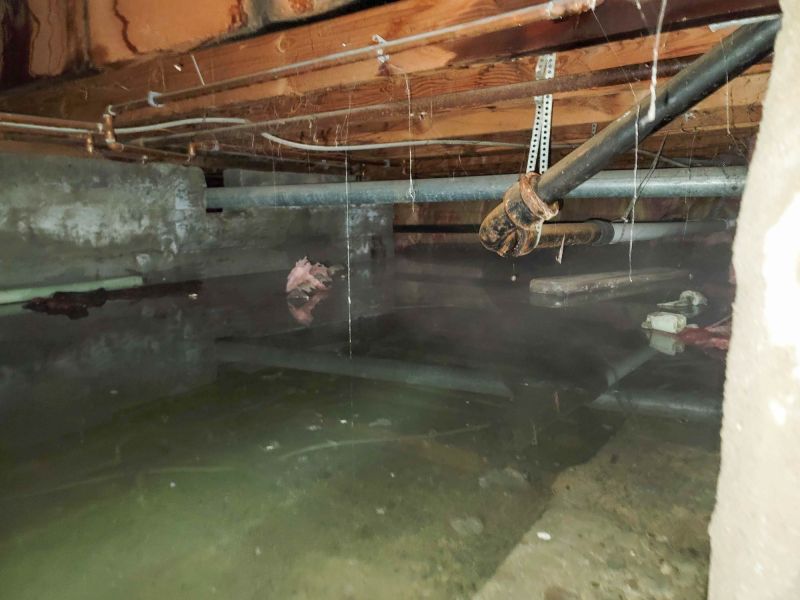
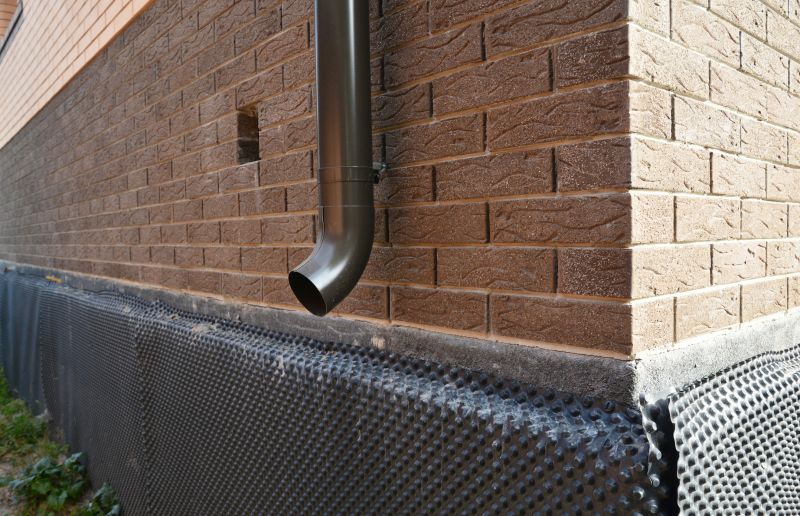
This section helps you compare local contractors, define project scope, verify experience, and set clear expectations in writing.
- Scope Definition - Clearly outline the specific drainage issues and the areas of the basement that require attention.
- Material Selection - Specify the types of drainage systems and materials that will be used in the project.
- Experience Verification - Confirm the experience level of local contractors in basement drainage services.
- Workmanship Details - Describe the expected work process, including installation, testing, and final inspection procedures.
- Written Agreement - Ensure all project scope, materials, and responsibilities are documented in a detailed written contract.
When evaluating contractors for basement drainage services, it’s important to consider their experience with similar projects. Homeowners should inquire about the types of drainage systems they have installed or repaired in comparable settings, such as homes with comparable soil conditions or foundation types. A contractor’s familiarity with local drainage challenges and their history of completing projects similar in scope can provide insight into their ability to meet specific needs effectively. This experience helps ensure that the chosen service provider understands the nuances of basement drainage and can recommend appropriate solutions.
A clear, written scope of work is essential when comparing contractors. Homeowners should seek detailed descriptions of the services included, such as excavation, installation of drainage systems, sump pump placement, or waterproofing measures. A well-defined scope helps prevent misunderstandings and sets clear expectations for what the project entails. It’s beneficial to review any proposals carefully, ensuring that the scope covers all necessary components to address basement drainage concerns comprehensively. Transparent documentation also provides a basis for evaluating whether each contractor’s approach aligns with the project’s requirements.
Verifying the basics of a contractor’s background involves confirming their experience, reputation, and adherence to standard practices. Homeowners can ask for references or examples of completed projects similar to theirs, and consider how long the contractor has been active in the local area. It’s also helpful to check whether the contractor maintains proper insurance coverage and follows established safety and quality standards. While licensing and certification are not discussed here, gathering this foundational information contributes to making an informed comparison and helps identify service providers with a proven track record.
Evaluating options without focusing on prices involves assessing the quality of proposals, communication, and professionalism. Homeowners should compare how thoroughly each contractor explains their recommended solutions, the clarity of their written scope, and their responsiveness to questions. It’s also useful to consider the level of detail provided in project descriptions, the transparency of their process, and the consistency of their communication. By focusing on these qualitative factors, homeowners can identify service providers who demonstrate expertise, reliability, and a clear understanding of basement drainage needs, facilitating a well-informed decision-making process.
Ask contractors to provide written scope details to ensure clear understanding and consistent expectations throughout the project.
- **Experience and Expertise** - What experience do local contractors have with basement drainage systems similar to the scope of your project?
- **Scope of Work** - How do contractors define and clarify the specific tasks included in their basement drainage services?
- **Materials and Methods** - What drainage solutions and materials do local service providers typically recommend for effective long-term results?
- **Warranty and Guarantees** - Do contractors provide written warranties or guarantees that outline the scope of their basement drainage work?
- **Comparison and Credentials** - How can homeowners compare contractors based on their experience, scope definitions, and service offerings?
How can I compare contractors for basement drainage services? To compare local contractors, review their experience, service offerings, and reputation through reviews or references. Ensure they provide clear information about their scope of work and verify their background before making a decision.
What should I consider when defining the scope of a basement drainage project? Clearly outline the specific drainage issues, desired outcomes, and any existing conditions. Communicate these details in writing to ensure contractors understand the work expected and can provide accurate proposals.
How do I verify the experience of a contractor handling basement drainage? Ask for details about their previous projects, years of experience, or areas of specialization. Checking references or reviews can also help confirm their expertise in basement drainage services.
Why is it important to get work expectations in writing? Having a written scope of work helps prevent misunderstandings, sets clear expectations, and provides a reference point for the project’s deliverables and responsibilities.
What questions should I ask a contractor before hiring for basement drainage work? Inquire about their experience with similar projects, methods used, materials, and how they plan to address specific drainage issues. Clarify what is included in their scope to ensure alignment.
How can I ensure the contractor is qualified to handle my basement drainage needs? Review their experience, request references, and verify their familiarity with local building codes and best practices. Ensuring they understand the scope and have relevant background helps support a successful project.
Understanding the key aspects of hiring contractors for basement drainage services can help ensure a smooth process. Visitors learned to define the scope of work clearly, verify the experience of service providers, and set expectations in writing to facilitate effective communication and project planning. Comparing local contractors through a quote form allows for an organized way to evaluate options and find the right fit for specific needs.
Using the provided quote form makes it easier to explore and compare different service providers in the area. This approach helps identify experienced local contractors who can handle basement drainage projects and establish clear, written agreements. Taking this step can support making informed decisions when selecting a contractor for the job.